
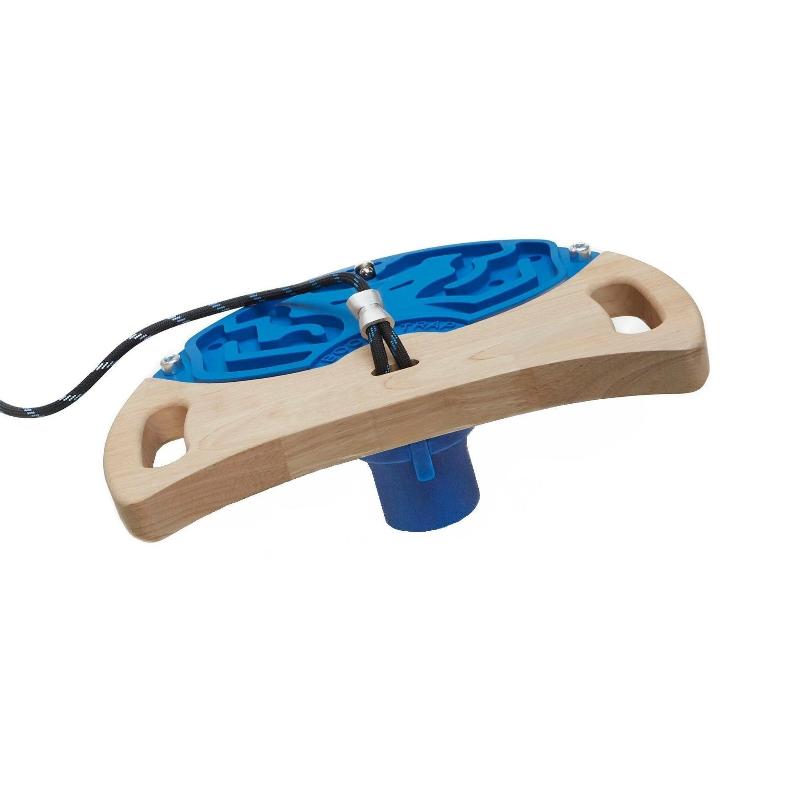


A safe 8–12 week finger-strength block uses stabilization, slow progressive loading, and consolidation. Small load increases, stable volume, and consistent grip angles create durable tendon adaptation and predictable progress.

Use a half-crimp grip on a 15–22mm edge for 7–10 seconds. Perform 3 reps per set, 3–4 sets per session, twice per week, with 2–5% load increases only after stable performance. This template creates safe, predictable finger-strength gains.

Increasing load safely requires stable reps, stable angles, and stable volume before each increase. Use small increments (2–5%), hold each increase for several sessions, and progress only when performance is predictable.

A 4-week finger-strength progression should build stability first, volume second, intensity third, and consolidate in week four. This structure respects tendon timelines and creates predictable, safe improvements.

Grip position affects tendon loading far more than weight does. Even small changes in joint angle alter stress distribution and fatigue patterns. A stable grip is the foundation of safe, predictable finger-strength training.

You don’t need equipment to measure force consistency. By observing rep patterns, grip stability, and session-to-session behavior, you can see whether the tendon is adapting, overloaded, or ready to progress. Consistency is the backbone of safe finger training.

Choosing a starting load isn’t about what you can hang once. It’s about selecting a repeatable, tendon-friendly weight that produces stable force with mild fatigue. This article explains how to choose the right load to ensure consistent progress.

Repeatability is the most important signal in finger training. A strong hang means nothing unless it can be reproduced. Repeatability shows tendon readiness, predicts injury risk, and determines whether a load will trigger real adaptation.