
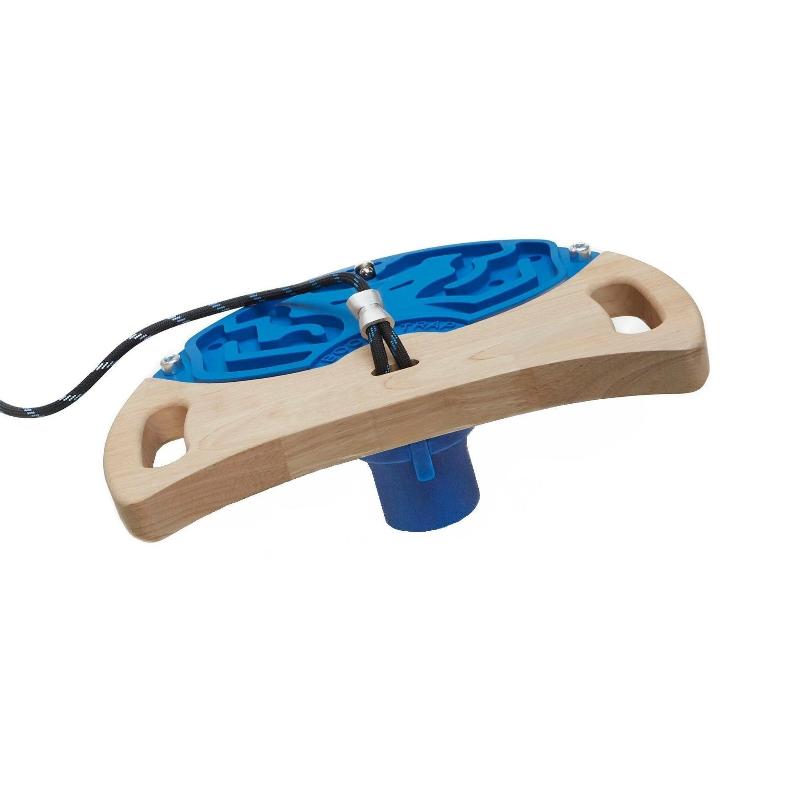


Tennis elbow in climbers results from overload of the wrist extensor tendons. Learn the mechanics behind lateral elbow pain, how to spot key symptoms, and how to rehab the injury with isometrics, eccentrics and progressive loading—plus the technique fixes that prevent recurrence.

Golfer’s elbow is a common climbing injury caused by overload of the flexor tendon origin. Learn how it develops, how to recognize its symptoms, and how to rehab it with isometrics, eccentrics and progressive loading—and how to fix the technique errors that keep it coming back.

Flexor tendon overload is a common climbing injury caused by repetitive crimping, overgripping, and poor wrist alignment. This guide explains the mechanics behind forearm flexor pain, how to identify it early, and how to rehab and prevent it using safe progressive loading.

Pulley injuries are the most common climbing injury. Learn how A2, A3 and A4 pulley overload happens, how to distinguish grades, what symptoms to look for, and how to rehab safely with isometrics, eccentrics and progressive loading.

Climbing injuries aren’t random. They follow clear mechanical patterns caused by overload, poor alignment, or insufficient tissue recovery. This overview helps you understand how injuries occur, how to read pain signals, and which specific injury guide fits your symptoms.

Climbing technique has a direct impact on injury risk. Poor force direction, collapsed wrist positions, elbow flaring, and hip misalignment increase load on fingers, elbows, and shoulders. This guide explains the key movement patterns that protect your joints and prevent chronic overload.

Recovery determines how well tendons and pulleys adapt to stress. This guide explains how sleep, hydration, nutrition and timing influence collagen remodeling, tendon capacity, and the prevention of chronic climbing injuries.

Climbers can prevent most injuries by recognizing early warning signs. This guide explains pain signatures, morning stiffness, sharp pain, nerve symptoms, and red flags that indicate when load must be reduced or training must stop.