


The Integration Problem
Many climbers try to improve:
- Finger strength
- Board power
- Route endurance
At the same time.
The result is often:
The issue is rarely motivation.
It is interference.
Different training types compete when poorly sequenced.
What Each Tool Actually Does
Before integrating, clarify their primary adaptations.
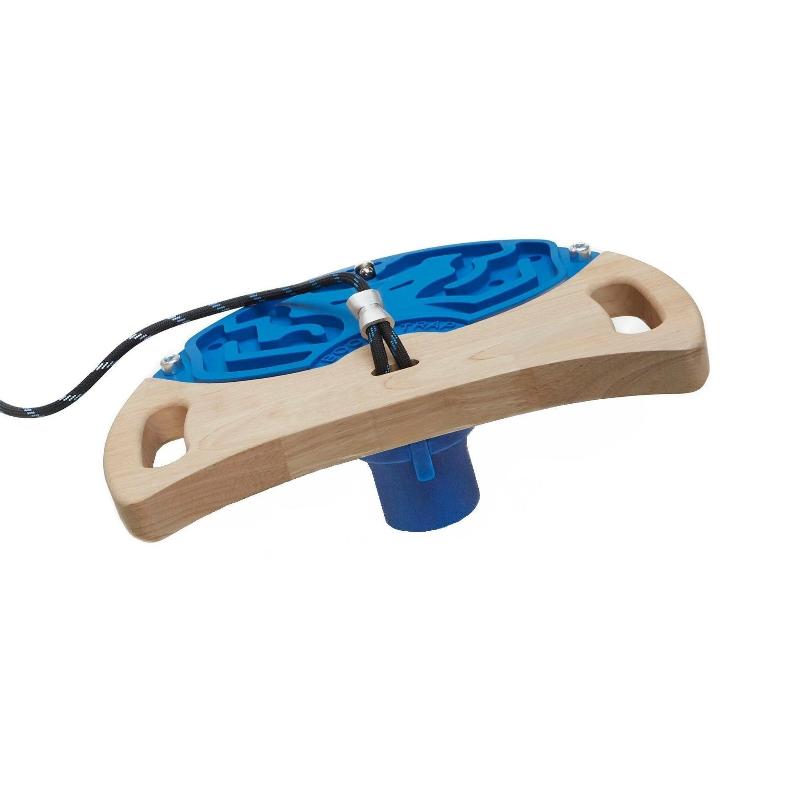
Hangboard
- High-intensity isolated finger force
- Controlled neural stimulus
- Predictable load progression
- Structural tendon exposure
Primary adaptation: maximal force production
Training Board
- High recruitment in dynamic context
- Coordination under force
- Applied strength
- Movement under tension
Primary adaptation: power + applied strength
Routes
- Sustained contraction
- Pump tolerance
- Tactical pacing
- Movement under fatigue
Primary adaptation: capacity + execution
If you mix these randomly, the stimulus blurs.
The Interference Rules
There are three key interference patterns:
1. Fatigue Before Strength
If you:
- Climb routes
- Get pumped
- Then try max hangs
Your neural output is reduced.
Strength stimulus quality drops.
You trained endurance first.
2. Structural Overlap
Board climbing + max hangs both stress:
- Finger flexor tendons
- A2/A4 pulley structures
- DIP/PIP loading angles
If combined without spacing:
Structural fatigue accumulates faster than adaptation.
3. Energy System Conflict
Heavy route sessions create:
- Metabolic fatigue
- Systemic exhaustion
- Reduced neural sharpness
If placed before power sessions:
Explosiveness declines.
The Golden Rule of Integration
Highest neural demand goes first in the week — and first in the session.
Order of priority (if strength is the goal):
- Hangboard
- Board climbing
- Routes
Reverse order only if endurance is the primary goal.
Weekly Sequencing Models
Model A: Strength Priority Week
Day 1 – Hangboard + light board skill
High intensity, low volume.
Day 2 – Rest or light movement
Day 3 – Board limit session
Applied power focus.
Day 4 – Rest
Day 5 – Short route session (controlled volume)
Capacity exposure without full exhaustion.
This protects neural quality.
Model B: Route Performance Priority
Day 1 – Board power maintenance
Short and sharp.
Day 2 – Rest
Day 3 – Route intervals or outdoor projecting
Day 4 – Rest
Day 5 – Light hangboard maintenance
This protects route performance while maintaining force.
Within-Session Sequencing
If combining modalities in one session:
- Hangboard first
- Board second
- Routes last
Never reverse this order if strength matters.
Fatigue is cumulative.
Neural output is fragile.
Frequency Considerations
For most climbers:
- Hangboard: 1–2x per week
- Board limit: 1–2x per week
- Hard routes: 1–2x per week
More than this often exceeds structural recovery capacity.
Especially when intensity is high.
Remember:
Advanced climbers require less volume, not more.
Signs of Poor Integration
- Fingers feel “almost injured” constantly
- Power drops mid-week
- Board performance fluctuates randomly
- Routes feel disproportionately hard
This usually means overlap without recovery spacing.
Strategic Simplification
If progress stalls:
Remove one variable.
Example:
- Drop hard routes during a max strength block.
- Drop max hangs during peak route season.
Clarity increases adaptation.
Trying to improve everything at once slows everything down.
The Core Principle
Hangboard builds force.
Board applies force.
Routes test force under fatigue.
Integration works when:
- Intensity is sequenced
- Recovery is respected
- Priorities are clear
Interference happens when stimulus is layered without architecture.