


What a Microcycle Is
A microcycle is your weekly training structure.
It determines:
- When intensity is highest
- When recovery occurs
- How stress accumulates
- How modalities interact
Most climbers do not lack good exercises.
They lack sequencing.
The First Rule: Define the Priority
A week cannot maximize:
- Max strength
- Power
- Route endurance
Simultaneously.
Choose one primary adaptation.
Everything else supports it.
Microcycle 1: Strength Priority (2–3 Sessions)
For climbers training 3 days per week.
Day 1 – Max Strength
- Max hangs or heavy board
- Low volume
- Full rest
Day 2 – Rest or light skill
- Technique drills
- Low-intensity movement
Day 3 – Applied Strength
- Limit board
- Controlled volume
Optional:
Light route session at submax intensity.
Key principle:
High neural demand sessions separated by at least 48 hours.
Microcycle 2: Strength + Capacity (4 Sessions)
For intermediate climbers with 4 training days.
Day 1 – Max Strength
Day 2 – Rest
Day 3 – Board Power
Dynamic applied strength.
Day 4 – Rest
Day 5 – Route Capacity
Intervals or controlled endurance.
Neural days never follow route fatigue days.
Microcycle 3: Route Performance Focus
For climbers preparing for outdoor or route season.
Day 1 – Power Maintenance
Short board session.
Low volume.
Day 2 – Rest
Day 3 – Hard Route Session
Project attempts or intervals.
Day 4 – Rest
Day 5 – Aerobic Capacity / Technique
Strength volume is reduced but not removed.
Maintenance prevents force loss.
Microcycle 4: Minimalist (2 Sessions)
For busy climbers.
Day 1 – Strength Focus
Max hangs + 2–3 limit problems.
Day 2 – Routes or Volume
That is enough for progress — if intensity is clear.
Consistency beats complexity.
Recovery Spacing
General spacing rules:
- High neural sessions → 48h minimum
- High structural load → monitor finger sensation
- Route endurance → avoid preceding strength day
If sessions interfere, reduce volume before reducing intensity.
Common Weekly Errors
- Strength day immediately after heavy route day.
- Three high-intensity days in a row.
- No true rest days.
- Adding volume when tired instead of adjusting order.
Sequence determines signal clarity.
Volume Reality Check
More sessions do not equal more progress.
If performance:
- Drops mid-week,
- Feels unstable,
- Fingers feel irritated,
The microcycle is overloaded.
Reduce session length before reducing frequency.
The Structural Awareness Layer
Weekly planning must consider:
- Finger tissue stress
- Elbow/shoulder load
- Sleep quality
- Work stress
Microcycles exist inside real life.
Adaptation is influenced by total stress, not just gym stress.
The Core Principle
A microcycle is not about doing more.
It is about placing:
- Intensity,
- Recovery,
- And adaptation
In a sequence that allows progress to accumulate.
Exercises matter.
But order matters more.
Apply this in practice
- For higher intensity work → follow the Max Hangs Protocol
Tools that match this approach
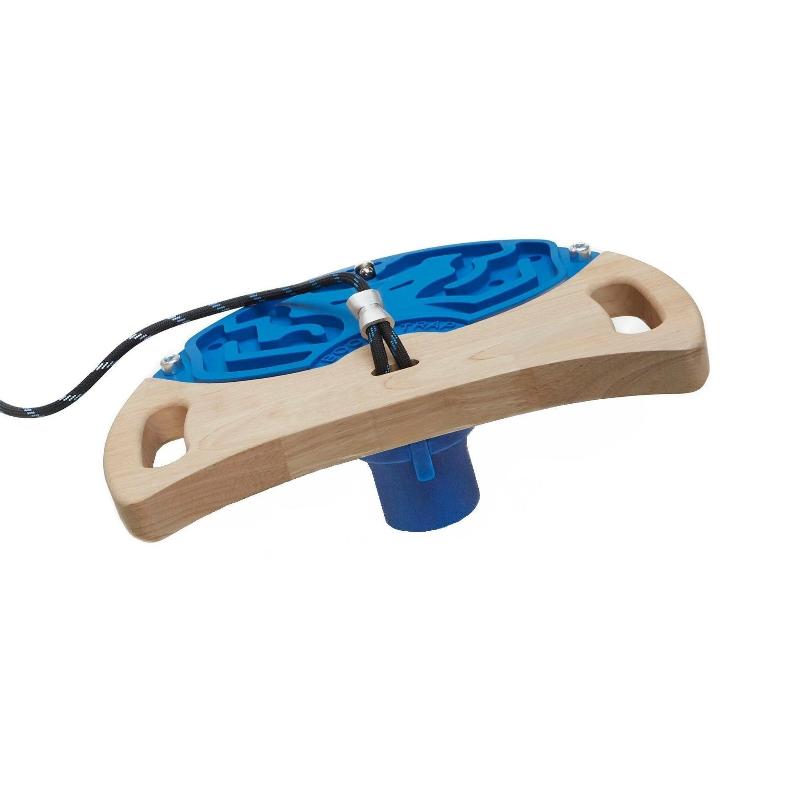
Hangboards — for controlled, repeatable edge loading
Portable edges — for progressive loading with added weight
Loading pin — to precisely control intensity across all tools